
Give each proposal the same crew requirement
Describe workers present together, shift overlap, the rental period and separate work areas. Identify fixed bathrooms workers may actually use and any known changes in staffing or access. Keep uncertain future demand visible rather than presenting one invented universal toilet-to-worker formula.
State the functions required. Standard cabins provide private self-contained toilets with retained waste for servicing. Accessible provision must suit actual users and the approach. Separate handwashing provides water, soap, drying and used-water handling when no usable sink is available. These are different functions, not interchangeable equipment counts.
Compare the equipment descriptions line by line
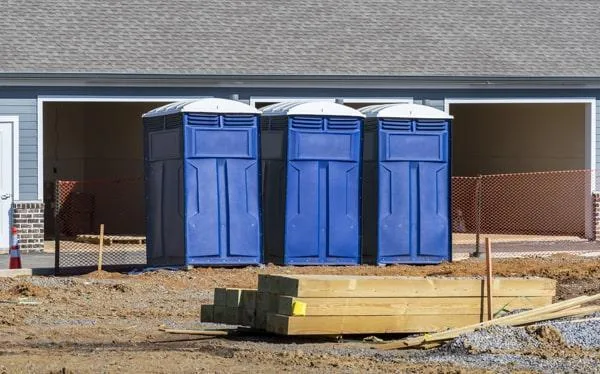
Ask each offer to identify the actual types and quantities, who they serve and which features are included. A standard cabin does not automatically include flushing, a basin or lighting. An upgraded format should answer a stated need and be confirmed for the request rather than selected from an illustrative image.
Compare footprint, entrance operation, standing support and any connection requirements for the actual models. A proposal using different equipment may require a different permitted position or handling arrangement. Include stable worker access, accessible routes where required and the provider’s service approach; do not treat an equipment substitution as identical just because its label sounds similar.
Reconcile care and transport before judging the offer
List cleaning, tank servicing, toilet-paper replenishment and the water, soap, drying and used-water tasks for washing equipment. Ask what is included, what the site contact is expected to check and how additional attention is requested. An included visit is not continuous staffing, and more frequent service is not automatically a substitute for enough usable facilities during a busy shift.
Compare delivery and collection, the rental dates and the procedure for an extension or equipment change. Explain actual gates and receiving arrangements so transport assumptions can be assessed. If an item appears in one offer but not another, ask whether it is excluded, separately priced or simply unspecified before comparing totals.
Hand the agreed package to the person who will operate the site
Give the supervisor the selected equipment, accepted positions, provider contact, care scope and reporting duties. Include unresolved conditions that must be closed before delivery; do not hand over an equipment count without the assumptions that made it suitable. The daily operating guide handles worker routes, checks and changing site conditions.
Keep the purchaser’s change authority clear. A foreman reporting more workers or a longer programme may need an amended order, not an informal promise from another trade. Confirm the revised equipment, care, dates and final collection arrangement in the same way as the original package.
Questions before you book
Why can two proposals with the same number of cabins differ?
The actual models, washing and accessible provision, care, supplies, rental period and transport scope may differ. Compare the complete written arrangement.
Should an unclear item be treated as included?
No. Ask for clarification before accepting the proposal, especially for washing supplies, care visits, extra time and collection.
Who needs the final equipment and care information?
The purchaser and the supervisor responsible for the installed setup should share the same accepted scope and change process.