
Define the job included in the initial request
A dumpster provides a temporary place for accepted debris and an agreed removal arrangement. It does not serve the same purpose as a portable toilet’s waste tank, and toilet or handwashing waste should not be put into a debris container. If the property needs both services, describe the people’s sanitation requirement separately from the cleanup.
For a one-time clearout, describe the items already identified, their approximate amount and when loading can be finished. For ongoing work, identify the initial stage and what later stages might produce. A project label such as renovation does not tell the provider which materials are accepted, what container suits them or whether another collection will be needed.
Keep uncertain later contents outside the accepted order
Ask for confirmation of accepted materials, exclusions and anything requiring separation or another disposal arrangement. Mark items you cannot identify or describe confidently as unresolved; do not assume ordinary container hire covers hazardous or restricted contents. Obtain appropriate professional guidance for suspect material rather than handling it on the basis of this general guide.
If the work reveals something not included in the original description, contact the provider before adding it. The answer may change the material arrangement, container or collection scope. Spare space in the existing container is not permission to load the new item. Do not hide unapproved contents under an accepted load or attempt unsafe unloading if a problem is discovered.
- Describe the known material types and approximate amount.
- Identify dense debris separately from bulky items.
- Explain what is still unknown and when the project may reveal it.
Choose a container and working position for the agreed stage
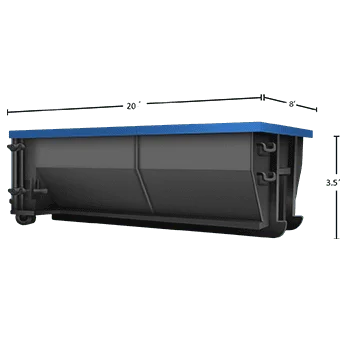
Ask the provider to discuss an offered container suited to the accepted material and loading method. Confirm loading boundaries, weight or disposal allowance and any restrictions; do not choose from a picture alone. Decide who will carry, sort and load debris because delivery does not automatically include that labor.
Give the exact property entrance and proposed position. Obtain the relevant owner or site permission and have surface, overhead clearance, vehicle approach and handling space assessed. Keep loading away from pedestrian routes, required access and any restroom service area. A convenient spot beside the work is useful only if the container can be placed and later recovered there.
Agree what happens when this stage finishes or changes
Confirm whether the intended next step is final collection or a separately agreed continuation of work. Report a change of material, finish date or access before the visit. Do not assume an exchange, extra days or additional disposal is included merely because the project is not complete.
The quote should identify the accepted contents, actual equipment, rental period, delivery and collection, loading responsibility, disposal or weight terms and how changes are priced and approved. Keep the recovery approach available until removal and use the dumpster quote option for this request. An enquiry does not confirm stock, an appointment or an unreviewed later phase.
Questions before you book
Can I ask for a dumpster before every later project stage is settled?
Describe the known initial work and identify uncertain later contents. Agree the actual accepted scope now and review any new material before loading it.
Does an empty part of the container mean another material can be added?
No. Material acceptance and weight or loading limits are separate from remaining space. Confirm a changed load with the provider first.
Will the delivery team carry debris out of the building?
Do not assume that. Container transport and collection are separate from carrying, sorting and loading labor unless explicitly agreed.
Can a dumpster replace portable toilet servicing?
No. Debris containment and sanitation waste servicing have different functions and arrangements. Request them separately even when both are needed at the property.