
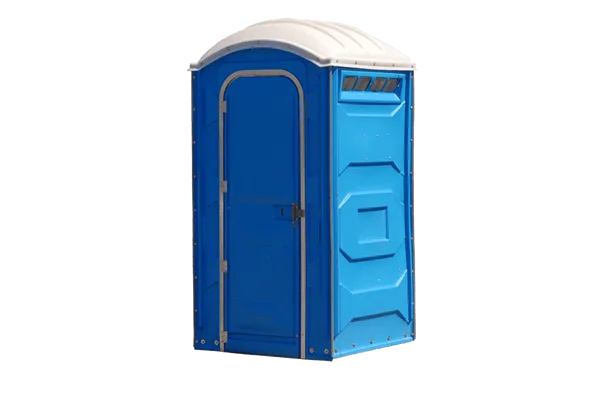
Describe the ordinary use before asking for extras
Explain whether the users are a working crew, event visitors or people temporarily without building bathrooms. Give the expected overlap, occupied hours and rental dates rather than only a total headcount. A short crowded gathering and a small group present over several days are different use patterns to discuss with the provider.
Check which permanent facilities those people may actually use. If a nearby bathroom is restricted to another group or closes before work ends, it does not solve that part of the requirement. Where it is genuinely suitable and available, describe its contribution so the rental request addresses the remaining need rather than duplicating an assumption.
Know when more basic cabins answer the wrong question
More of the same toilet does not supply every missing function. If someone needs a different entrance or interior arrangement, discuss accessible equipment and the complete usable approach. If washing is missing, ask about a separate station or a confirmed usable sink; do not infer a basin from the word standard.
An upgraded cabin may offer a particular convenience, but its actual description matters more than its category name. Compare a requested feature with a standard unit plus the necessary separate functions. On a construction project, equipment selection also needs the work area, changing crew activity and planned care; an event photograph is not a specification for that site.
Keep each proposed unit connected to a workable position
If several areas need facilities, explain whether users can reach one common position or whether separate approved positions are necessary. Do not divide equipment across a property without considering the people using each point and the provider’s ability to service it. Washing and accessible provision should remain usable within the actual arrangement.
Ask the supplier to review the surface, permitted entrance, door clearance and handling area at the proposed position. Protect the pedestrian approach and avoid a placement that will be blocked by stored materials, furniture or parked vehicles. Agree any repositioning through the supplier; a lightweight-looking cabin is not an invitation to move occupied rental equipment around the site.
Specify the basic service as carefully as the basic product
Confirm cleaning, waste-tank servicing and paper supplies for the intended use and period. Any separate washing station adds water, soap, drying and used-water responsibilities. Name the site contact who checks usability and reports shortages or obstruction; routine observation is different from provider waste handling or repair.
Compare the actual unit description, quantity, dates, agreed positions, transport, care and collection in the offer. Ask what changes if use grows, access changes or the hire needs more time. Keep someone available to receive delivery and enable pickup after the final users; a basic product can still require a carefully coordinated rental.
Questions before you book
Is a standard porta potty connected to a building sewer?
A basic portable toilet holds waste for agreed servicing. Do not assume building connections or other features; confirm the offered equipment specification.
Does another standard unit replace an accessible option?
Not automatically. Explain the functional access need and have the actual equipment and approach reviewed.
Is a handwashing basin included?
Confirm the actual model. Washing may require a separate station or another suitable available sink, with its own supplies and used-water care.
Can several activity areas share one position?
They may if the users have a suitable permitted route and the arrangement meets the actual demand. Discuss that against separate positions and their service access.