
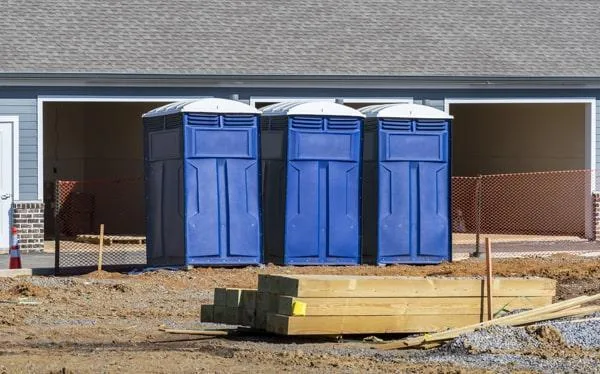
Describe the ordinary working day around the facilities
Identify where crews enter, where they work and when people overlap or change shifts. Include workers in a separated area rather than assuming everyone follows the main gate route. Compare those movements with the fixed bathrooms workers are permitted to use and the temporary equipment selected for the job.
Standard cabins provide a toilet function with waste retained for provider servicing. Washing needs a usable sink or separate station with water, soap, drying and used-water handling; accessible provision needs its own suitable unit and approach. Make clear which facilities workers should use so those functions are not left to informal assumptions.
Test a position while the surrounding work is happening
Look at the route from actual work areas, not only from the entrance. Keep people out of unsuitable active-work movements and preserve firm access, door space and any accessible approach. A position beside a gate may become awkward when deliveries queue there, while a quiet corner may isolate a crew behind a controlled boundary.
Have the responsible site contact and provider agree the position with the real surface, handling space and vehicle approach in mind. Consider repeated care and removal as well as delivery. If the operating pattern makes the position unsuitable, request a reviewed alternative; workers should not drag a unit out of the way or improvise a new installation.
Use routine observations to identify the right kind of problem
A blocked worker route, unavailable soap and damaged equipment are different issues. Ask the site contact to identify the affected position and what prevents use. A site obstruction may need the supervisor’s coordination; a supply or equipment problem should follow the agreed provider reporting arrangement. Do not report every problem as a request for more toilets.
Check how actual shift use compares with the original scope. Added workers or longer occupied hours can change care and equipment needs, while a repeatedly blocked route can indicate a location problem. These observations should inform a review, not authorise waste handling, chemical addition, repairs or unagreed movement by the crew.
Match care and removal to the continuing daily need
Keep the accepted cleaning, tank-service and replenishment arrangement available to the supervisor, including paper and washing supplies. Name who reports issues and who can authorise order changes. A site check helps identify problems between visits but does not replace agreed provider servicing or imply an attendant is included.
As the job winds down, identify the last crews needing facilities before requesting collection. Retain the provider approach and receiving contact until removal, even if another part of the property is handed over. The quote and any amendment should state the actual equipment, period, care, delivery and collection so site operations and the order remain aligned.
Questions before you book
Is the gate always the best toilet position?
No. Consider actual worker movement, queued deliveries, controlled areas, usable surfaces and provider access while the job operates.
Should a blocked route lead to an order for another toilet?
First identify the problem and discuss the site arrangement. More equipment may not resolve an obstruction or an unsuitable location.
Can the site close its access when the main crew finishes?
Keep a workable agreed arrangement until remaining users are covered and the equipment has been collected.
What should the foreman report about an unusable unit?
Identify the position, the observed issue and access conditions, then use the agreed contact process without attempting unapproved repair or waste handling.