
Compare what makes the proposed load difficult
As planning examples, bulky lightweight items may occupy substantial room while a smaller pile of dense building debris can present a very different handling problem. These examples do not establish that either material is accepted under a particular order. Give the provider the actual types and approximate amount rather than asking for the largest-looking container.
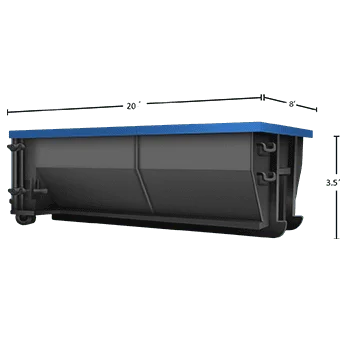
A roll-off is placed and recovered with appropriate handling equipment for use at an agreed position. Describe whether people will carry items, use tools or rely on a separate loading operation. Ask which offered container and loading method fit the accepted work; its appearance does not confirm dimensions, door configuration, allowance or suitability for dense debris.
Obtain the limits before deciding that another load will fit
Confirm the provider’s accepted materials, exclusions, loading boundary and weight or disposal terms for the actual container. Ask specifically how dense material is handled in that offer. Do not treat the top edge, empty corners or a general capacity name as permission to add more weight or a different material.
Share the agreed instructions with the people loading. Keep unaccepted or uncertain items out and contact the provider if the load no longer matches the description. Never conceal questionable material under other debris, climb into a container to improvise a correction or attempt hazardous handling because pickup is approaching.
- Remaining volume does not establish remaining permitted weight.
- A permitted material can still have order-specific loading conditions.
- An unknown or excluded item needs a separate answer before loading.
Retain enough space for loading and safe recovery
Have the supplier review the actual approach, ground, overhead conditions and working area for its vehicle and container. Property permission must cover the proposed position and handling arrangement; a road, sidewalk or shared drive is not automatically available. Ask about surface protection and site suitability without treating a precaution as a guarantee against damage.
Keep loose material, parked vehicles and other deliveries clear of the agreed approach. Provide the loading space the offered model requires and do not move the container yourself. If a new barrier or work phase changes the recovery conditions, report it for review rather than assuming a successful initial delivery proves that pickup will still work.
Use the load condition to plan the next agreed visit
Before requesting collection, check the material description and loading instructions with the responsible site contact. Tell the provider about a concern rather than waiting for the driver to discover it. If work remains, ask whether a separate exchange, another container or more time is appropriate; none is promised or included automatically.
Review equipment, accepted contents, duration, delivery, collection, disposal or weight allowance and any extra-time, additional-movement or other conditional charges in the quote. Confirm who loads and who can authorize a change. Maintain the actual recovery access until removal, not merely until loading has stopped.
Questions before you book
Why can a partly empty container still need a loading review?
Dense material and agreed weight or loading conditions can matter before the available volume is filled. Follow the actual provider terms, not appearance alone.
Does this page confirm that concrete or other building debris is accepted?
No. Identify every material to the provider and obtain acceptance and loading conditions for the specific order.
Can we move a roll-off closer to a later work area?
Do not move it yourself. Have the supplier review and arrange any change, including the new ground, approach and property permission.
Is another container automatically delivered after pickup?
No. Specify whether you need final removal or a separately agreed continuing arrangement and confirm the associated terms.