
Treat the no-bathroom pavilion as a conditional choice
Beaverton’s Parks & Recreation information states that Leo Ross Pavilion has no bathrooms. It identifies Ross Lake Park Pavilion B as closest to splash-pad and bathroom facilities and Pavilion C as near bathrooms. These descriptions establish a real difference between the options; they do not confirm current opening hours, a usable route or availability for your gathering.
Ask what makes Leo Ross preferable for this occasion and what sanitation arrangement would be essential to using it. Include everyone who prepares, attends and clears the gathering, their occupied hours and any access needs. Do not treat a facility elsewhere in the park as available to this group until the operator identifies it and its actual approach.
Test whether temporary facilities can make the preferred choice viable
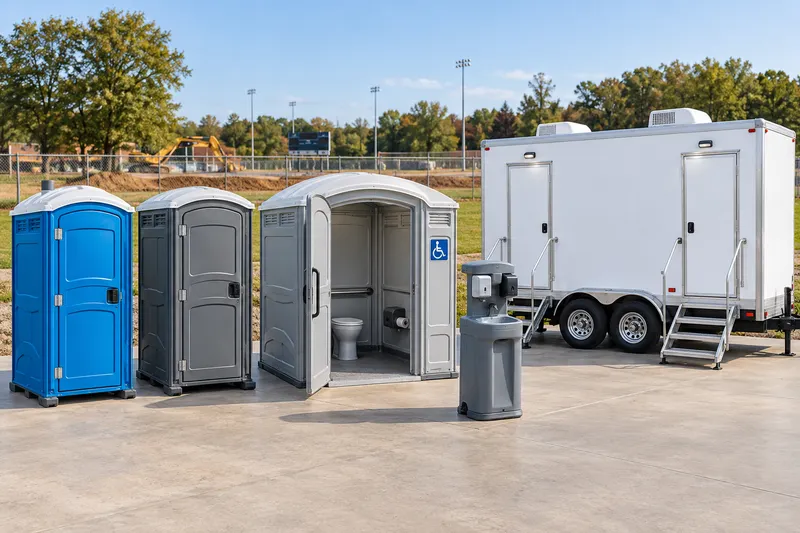
The necessary functions come before a product upgrade. A standard self-contained cabin supplies private toilet use, with waste held for provider servicing. An accessible option requires a suitable offered model and usable approach. Without a usable sink, washing needs a separate arrangement providing water, soap, drying and used-water handling. A more decorative or enhanced cabin does not automatically supply every missing function.
Ask the park operator whether the required temporary equipment may be installed and which positions can be considered. Have the provider assess the proposed surface, door and waiting space, user route and handling approach for the actual equipment. The arrangement is not viable if the only suggested position cannot serve the intended users or cannot be delivered, cared for and recovered as agreed.
Compare staying with the preferred pavilion against changing location
If temporary facilities are permitted and workable, one option is to retain Leo Ross and include the complete approved supplement in the event plan. The other is to enquire about Pavilion B or C and confirm the fixed facilities that the group could actually use there. Near or closest describes proximity, not a measured distance, guaranteed opening period or certification of an accessible route.
Compare those alternatives against the same guest needs and activity, rather than assuming either is automatically cheaper or better. Moving to a pavilion near bathrooms might remove a particular temporary-toilet need, but it may not resolve washing, access or an early preparation period. Keeping the preferred pavilion is not an acceptable fallback if the required supplement has been refused or cannot be positioned safely; discuss another permitted arrangement, location or date.
Include continued usability in the decision, not just installation
A temporary option must remain usable for the full rental period. Ask how cleaning, tank care, paper and washing supplies would be maintained, and identify a contact who reports shortages or obstructions between visits. If delivery can occur but later service or collection cannot reach the position, that affects whether this option works at all.
Request a written proposal for the selected combination of facilities, dates, delivery, agreed care and collection. Have any enhanced model’s features and support requirements stated rather than inferred from a photograph. Consider the provider’s complete scope alongside the venue arrangement before accepting either option; a pavilion booking by itself does not purchase equipment or its maintenance.
Close the choice with the conditions that actually make it work
Record the chosen pavilion, the confirmed fixed facilities or permitted temporary position, the people served and the responsible contacts. If an essential permission, approach or facility period remains unresolved, keep that condition open rather than announcing the restrooms as arranged. A change of pavilion should reopen the affected assumptions, not silently transfer the same order.
A private Beaverton property needs its own assessment rather than the park’s pavilion conditions. Explain its actual users, existing bathrooms and equipment position in the enquiry. This guide helps compare arrangements; it does not confirm a booking, current park amenities or service at a particular address.
Questions before you book
Can I choose Leo Ross and deal with toilets afterwards?
Resolve whether a complete temporary arrangement is permitted and workable before relying on that choice. Its listed lack of bathrooms is a planning dependency, not proof that equipment can be installed anywhere nearby.
What if the proposed temporary position is not permitted?
Ask about another approved position or arrangement. If none can meet the required functions and access, consider a different suitable pavilion or date rather than placing equipment without permission.
Would Pavilion B or C eliminate the rental requirement?
Possibly for a particular need, but only after confirming which facilities the group can use, their hours, washing and the actual routes. Their proximity descriptions alone do not settle those questions.
Why does later servicing matter to the pavilion choice?
A temporary arrangement must remain usable and recoverable throughout the rental. An accessible delivery position that cannot support the agreed care or collection may not be a workable option.